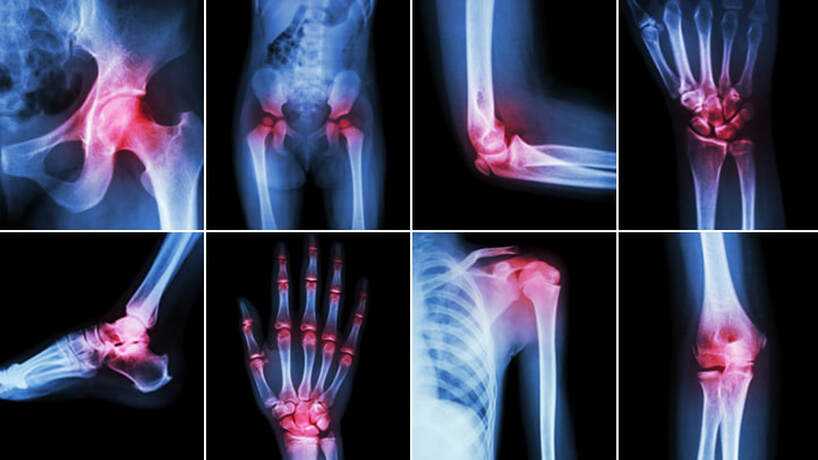
to the diagnosis and therapy of rheumatic diseases and other disorders of the joints, muscles, and ligaments.
There are more than 200 types of these diseases, including rheumatoid arthritis, osteoarthritis, gout, lupus, back pain, osteoporosis, and tendinitis.
Osteopathic Manipulative Treatment, or OMT, is a set of hands-on techniques used by osteopathic physicians (DOs) to diagnose, treat, and prevent illnesses or injury. Using OMT, a DO moves a patient’s muscles and joints using techniques that include stretching, gentle pressure and resistance.
As part of their education, DOs receive special training in the musculoskeletal system, the body’s intricate system of muscles, nerves and bones. This advanced training provides DOs with a keen understanding of how the body’s systems are interconnected and how each one affects the others. When appropriate, OMT can complement, and even replace, drugs or surgery. In this way, DOs bring an important dimension to standard medical care.
Typically, these periodic payments provide patients enhanced services over traditional fee-for-service medicine. Such services may include real time access via advanced communication technology to their personal physician, extended visits, in some cases home-based medical visits, and highly personalized, coordinated, and comprehensive care administration. Ideally, the DPC model is structured to emphasize and prioritize the intrinsic power of the relationship between a patient and his/her family physician to improve health outcomes and lower overall health care costs. The DPC contract fee structure can enable physicians to spend more time with their patients, both in face-to-face visits, and through telephonic or electronic communications mediums should they choose, since they are not bound by insurance reimbursement restrictions.
]]>
Getting good sleep is very important for your overall health. Yet, many people struggle with getting the recommended amount of sleep on a regular basis. Here are some tips to help you improve your sleep habits.
1. Create a good sleep environment. Keep the temperature cool and comfortable, block out bright lights with curtains and minimize noise and distractions.
2. Don’t eat or drink too much in the hours before bed. Try to stop drinking caffeine or sugar laden drinks at least 5-6 hours before bed and avoid big meals late at night. Fatty, larger meals can cause indigestion and acid reflux leading to difficulty sleeping.
3. Avoid too many electronics and noise before bed. Try to shut down the tv, computers and work emails at least an hour before bed. Devices emit blue light, which lowers your levels of melatonin, a hormone that makes us feel sleepy. Furthermore, an active mind can take awhile to shut down, and reading or watching too much before bed can get your mind going when it needs to be slowing down.
4. Create a sleep schedule and try to be consistent. Consistency helps us stick to the routines that keep us going. Limit your bedtime to reasonable hours, try not to go too far off your normal schedule, and try to perform your daily tasks at the same time each day.
5. Try meditation or deep breathing to calm your mind. Focusing on relaxing activities can help us wind down and relieve some of the stress that tends to accumulate during the day. Take a few minutes before bed and meditate in a peaceful place focusing directly on preparing yourself for bed.
6. Get outdoors and exercise regularly. Getting enough sunlight, fresh air and exercise is important for body and mind.
7. Declutter your bedroom. If your bedroom is messy and cluttered, you are at a higher risk for sleep problems. A study presented at the June 2015 SLEEP conference in Seattle suggests that those surrounded by clutter were more likely to have a sleep disorder. What your eyes see when you walk into a room can influence whether or not you’ll have an easy time falling asleep.

to the diagnosis and therapy of rheumatic diseases and other disorders of the joints, muscles, and ligaments.
There are more than 200 types of these diseases, including rheumatoid arthritis, osteoarthritis, gout, lupus, back pain, osteoporosis, and tendinitis.